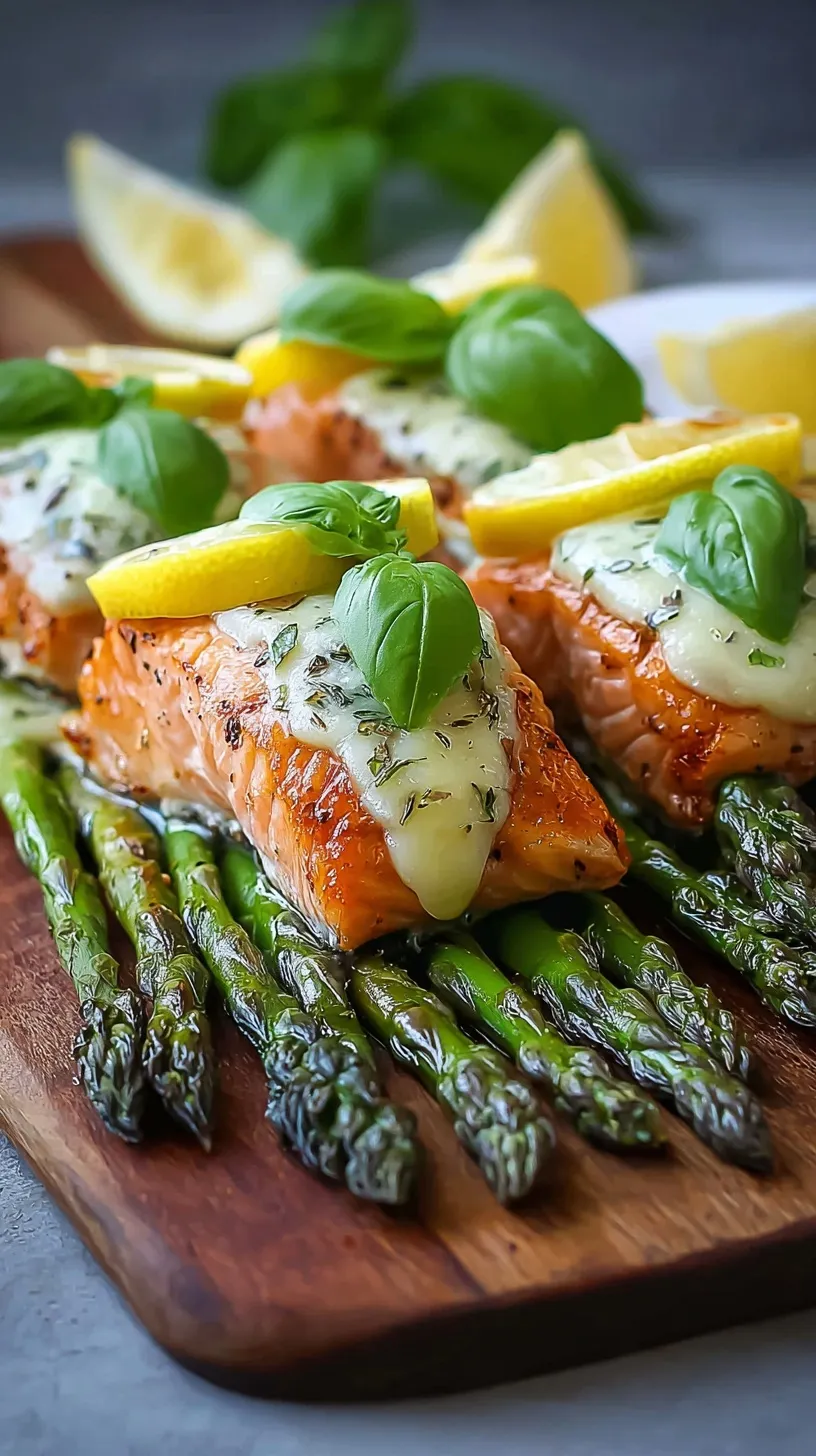
Spring has finally arrived in our kitchens. I love the bright colors of fresh vegetables. These asparagus lemon basil salmon rolls bring that seasonal joy to your plate.
It is the perfect time for a light dinner. You want something that feels special but simple. This recipe delivers a fresh and vibrant meal in no time. It is exactly what your body craves right now.
Why You’ll Love This Recipe
This recipe is a total winner for busy weeknights. It looks like a fancy restaurant dish. However, it takes less than 30 minutes to make. You get a huge boost of protein in every bite.
It is perfect for a healthy reset this season. The flavors are bright, clean, and very satisfying. Your family will be impressed by the beautiful presentation. It makes any ordinary Tuesday feel like a special occasion.
Simple Cooking Method
The process is very straightforward and fun. You simply wrap thin salmon strips around crisp asparagus. A quick citrus glaze adds so much flavor. Even beginner cooks will find this method very easy.
You do not need many tools for this. A simple baking sheet and a bowl work perfectly. Using parchment paper makes the cleanup a total breeze. You can spend more time enjoying your evening.
Ingredients You’ll Need
I love using fresh seasonal produce for the best flavor. These pantry staples help the salmon shine.
- 4 salmon fillets (approx. 6 oz each), sliced lengthwise into thin strips
- 20 medium asparagus spears, woody ends trimmed
- 2 tablespoons extra-virgin olive oil
- 1 tablespoon fresh lemon juice
- 1 teaspoon lemon zest
- 0.25 cup fresh basil leaves, finely minced
- 1 clove garlic, microplaned
- 0.5 teaspoon kosher salt
- 0.25 teaspoon cracked black pepper
Step-by-Step Directions
- Preheat a convection oven to 400°F (200°C) and line a rimmed baking sheet with parchment paper.
- Blanch the asparagus spears in boiling salted water for 120 seconds, then immediately submerge in an ice bath to shock; drain and pat thoroughly dry.
- In a small glass bowl, whisk together the olive oil, lemon juice, lemon zest, minced basil, garlic, salt, and pepper to create a stable emulsion.
- Lay the salmon strips flat on a clean work surface and brush the interior side of each strip with the lemon-basil mixture.
- Place 5 asparagus spears across the narrow end of each salmon strip and roll the fish tightly around the vegetables.
- Position the rolls seam-side down on the prepared baking sheet to ensure they remain closed during thermal processing.
- Apply the remaining lemon-basil emulsion to the exterior of the salmon rolls using a pastry brush.
- Bake for 10 to 12 minutes or until the internal temperature of the salmon reaches 145°F (63°C) and the flesh is opaque.
Best Ways to Enjoy It
Serve these rolls over a bed of fluffy quinoa. A side of roasted baby potatoes works well too. Add a crisp green salad for a light and balanced meal. The colors look stunning on a white platter.
Set the table with your favorite linens. Light a small candle for a romantic date night. This dish is meant to be savored slowly. Enjoy the bright citrus and herb aromas together.
How to Store Leftovers
Store any leftovers in an airtight container. They stay fresh in the fridge for two days. Reheat them gently in the oven at 350°F. This helps keep the salmon tender and moist.
I do not recommend freezing these rolls. The texture of the asparagus changes when frozen. It is best enjoyed fresh from the oven. Luckily, it is quick enough for any night.
Tips for Best Results
- Choose medium-sized asparagus for the easiest rolling.
- Don’t skip the ice bath for the asparagus.
- Use a very sharp knife to slice the salmon.
- Pat the salmon dry before adding the oil mixture.
- Brush the tops generously for a golden finish.
- Check the temperature early to avoid overcooking.
- Use fresh basil for the most vibrant flavor.
- Line your pan for a stress-free cleanup.
Ways to Switch It Up
- Try using fresh dill instead of basil.
- Swap the asparagus for thin zucchini strips.
- Add a pinch of red pepper flakes for heat.
- Use lime juice for a zesty tropical twist.
- Top with toasted pine nuts for extra crunch.
Common Questions
Can I use frozen salmon?
Yes, you can use frozen salmon fillets. Just make sure they are fully thawed first. Pat them very dry before slicing into strips.
What if my salmon strips break?
Do not worry if they are not perfect. Just wrap them as best as you can. The seam-side down position keeps them together while baking.
How do I know the salmon is done?
The salmon should look opaque and light pink. It should flake easily with a fork. Using a meat thermometer is the most reliable way.
I hope these salmon rolls bring a little sunshine to your dinner table. They are so simple yet feel incredibly special. Happy cooking, and enjoy every fresh bite!
— Katie Wood
Ingredients
- 4 salmon fillets (approx. 6 oz each) , sliced lengthwise into thin strips
- 20 medium asparagus spears, woody ends trimmed
- 2 tablespoons extra -virgin olive oil
- 1 tablespoon fresh lemon juice
- 1 teaspoon lemon zest
- 0.25 cup fresh basil leaves, finely minced
- 1 clove garlic , microplaned
- 0.5 teaspoon kosher salt
- 0.25 teaspoon cracked black pepper
Instructions
- Preheat a convection oven to 400°F (200°C) and line a rimmed baking sheet with parchment paper.
- Blanch the asparagus spears in boiling salted water for 120 seconds, then immediately submerge in an ice bath to shock; drain and pat thoroughly dry.
- In a small glass bowl, whisk together the olive oil, lemon juice, lemon zest, minced basil, garlic, salt, and pepper to create a stable emulsion.
- Lay the salmon strips flat on a clean work surface and brush the interior side of each strip with the lemon-basil mixture.
- Place 5 asparagus spears across the narrow end of each salmon strip and roll the fish tightly around the vegetables.
- Position the rolls seam-side down on the prepared baking sheet to ensure they remain closed during thermal processing.
- Apply the remaining lemon-basil emulsion to the exterior of the salmon rolls using a pastry brush.
- Bake for 10 to 12 minutes or until the internal temperature of the salmon reaches 145°F (63°C) and the flesh is opaque.